A siding decision in central Iowa has to hold up through more than a few sunny afternoons. It must face wind-driven rain, summer heat, winter freeze-thaw cycles, and the occasional hailstorm without leaving your home looking tired or vulnerable. In the vinyl vs CertainTeed RISE conversation, both products can be practical options, but they protect and finish a home in very different ways.
Vinyl has earned its place because it is familiar, versatile, and generally budget-friendly. CertainTeed RISE is a composite siding option designed for homeowners who want the look and workability of real wood without the ongoing maintenance concerns that can come with wood siding. The right answer depends on your home’s condition, the look you want, your budget, and how long you plan to own the property.
Vinyl vs CertainTeed RISE: The Core Difference
Vinyl siding is a plastic exterior cladding, commonly installed in horizontal lap panels and available in many profiles and colors. It does not need painting, and it has been a dependable choice for homeowners who want a clean exterior update at a manageable price point. Because it is lightweight and widely used, vinyl can be an efficient option for a straightforward siding replacement.
CertainTeed RISE is engineered composite siding made with recycled materials and designed to provide a wood-like appearance. Its solid, board-style construction gives installers the ability to cut and handle it more like traditional wood siding than hollow vinyl panels. That difference affects the finished appearance, the way it handles impact, and the type of detail that may be possible around corners, trim, and exterior features.
Neither material is automatically better for every home. Vinyl often makes sense when affordability and low upkeep lead the decision. RISE can be a stronger fit when homeowners place greater value on a substantial look, enhanced moisture resistance, and a siding profile that complements a premium exterior renovation.
Appearance and Curb Appeal
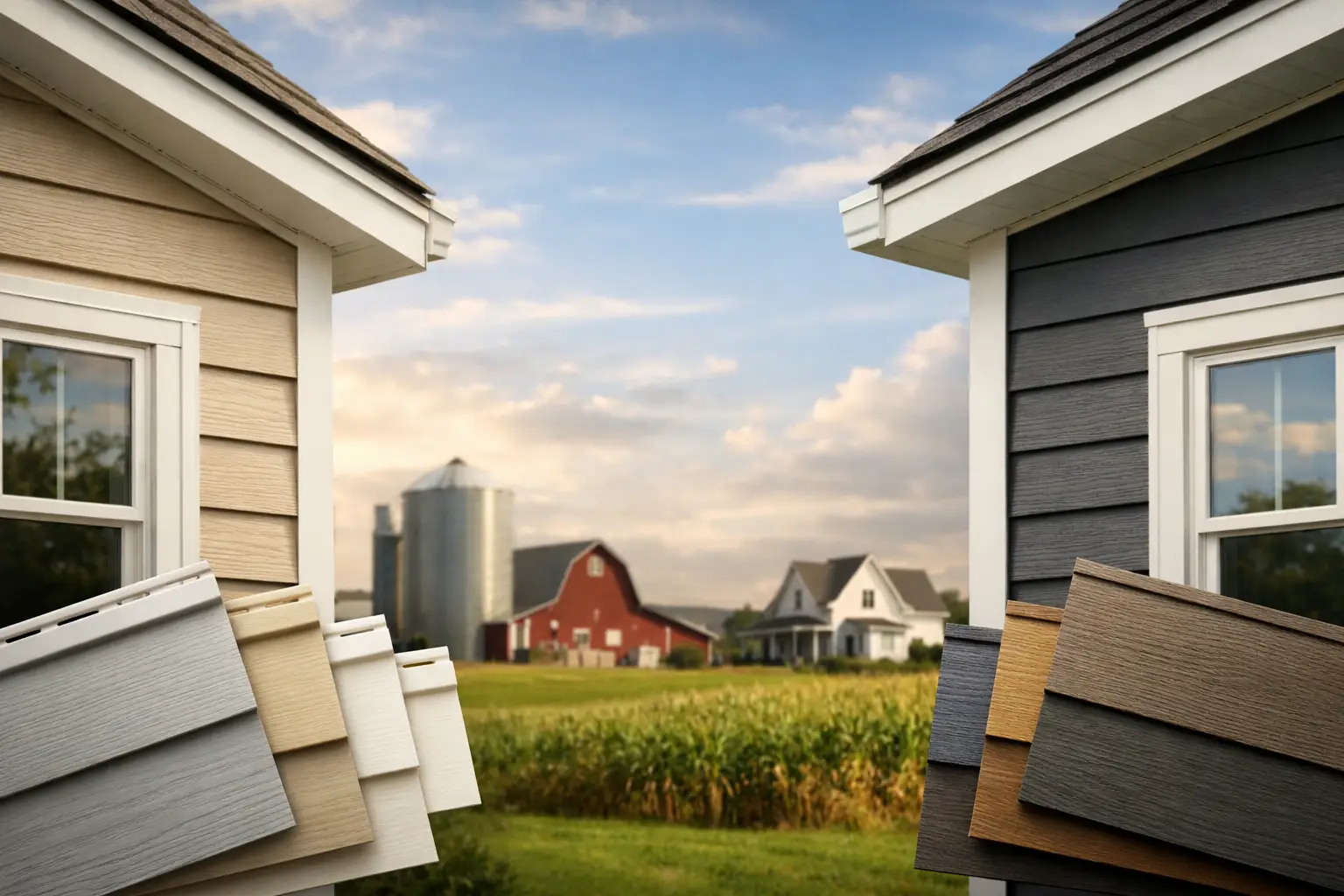
The visual difference is often the first thing homeowners notice. Vinyl siding can look attractive, especially when the profile, color, soffit, and trim are selected carefully. Modern options offer a broader range of colors and textures than older vinyl products, allowing a home to move well beyond the basic beige exterior.
Still, vinyl panels have seams and a lighter construction that can be visible at close range. In very cold weather, panels can also become more rigid, and in high winds they may produce movement or noise. Proper installation helps manage these concerns, but the material’s expansion and contraction must always be accommodated.
CertainTeed RISE is intended to create a more solid, wood-inspired finish. Its board format can work especially well on homes with Craftsman, farmhouse, colonial, or traditional design elements. It can also be used to create intentional contrasts with stone, brick, or steel roofing. For a homeowner improving the entire exterior at once, RISE may provide a more tailored look than standard vinyl.
Color deserves careful consideration with either choice. A siding color that looks sharp beside a sample board should also work with your roof, shutters, masonry, gutters, and landscaping. Neutral colors tend to offer staying power, while darker accents can add depth when used thoughtfully on gables, entryways, or architectural features.
Durability in Des Moines Weather
Iowa weather exposes weaknesses in any exterior material. Heavy rain tests water management. Winter temperatures test flexibility. Strong winds and hail test resistance to impact. The siding itself matters, but the complete system matters just as much: housewrap, flashing, trim details, fasteners, and proper clearance from roofs, decks, and grade all help keep water where it belongs.
Vinyl will not rot and does not require repainting. That is a major advantage for homeowners seeking low-maintenance protection. However, it can crack or dent under a sharp impact, particularly in cold conditions. It can also warp when exposed to excessive heat, such as reflection from certain low-emissivity windows or a nearby heat source. Choosing an appropriate thickness and having the siding installed correctly are essential.
RISE is designed to resist moisture-related issues that can affect natural wood, including rot and swelling. Its more solid composition may also offer better resistance to everyday bumps and impacts than thinner vinyl panels. That does not make it indestructible. Severe hail, falling branches, or storm debris can damage nearly any siding product, and the extent of protection depends on the specific product profile and installation details.
For either option, homeowners should ask how the siding transitions around windows, doors, rooflines, utility penetrations, and gutters. Those locations are where a beautiful siding job either proves its value or develops avoidable problems over time.
Maintenance and Long-Term Care
Both vinyl and RISE are designed to reduce the maintenance burden compared with traditional painted wood. A seasonal rinse with a garden hose and gentle cleaning for dirt or mildew is often enough to keep the exterior looking cared for. Avoid harsh abrasives, pressure-washing practices that force water behind panels, and cleaning products that are not recommended for the material.
Vinyl’s color is part of the material, so repainting is not normally required. The trade-off is that if a section is damaged years later, an exact color match may be harder to find due to normal weathering and changes in product lines. Vinyl can be painted in some circumstances, but doing so requires appropriate paint, preparation, and attention to the manufacturer’s guidelines.
RISE also provides a low-maintenance alternative to wood, with no routine painting cycle expected for standard care. Its finish and product options should be reviewed carefully before purchase, especially if you are coordinating several exterior materials. Ask your contractor about care instructions, available colors, warranty terms, and how future repairs are handled.
Cost: Initial Price vs Lasting Value
Vinyl usually has the lower initial installed cost. That makes it a sensible choice for homeowners replacing worn siding, preparing a home for sale, or managing several needed repairs at once. The affordability of vinyl can free up budget for other protective improvements, such as roof replacement, gutter upgrades, window replacement, or attic ventilation work.
RISE typically represents a higher investment because of its composite construction, board-style appearance, and installation approach. The added cost may be worthwhile for homeowners who plan to stay in their home for many years and want an exterior that feels more substantial. It can also be a strong choice when curb appeal is a key part of the project.
Price comparisons should be based on complete proposals, not just a cost per square foot. Confirm whether each estimate includes removal and disposal of existing siding, repairs to damaged sheathing, weather-resistive barrier upgrades, trim, soffit, fascia, flashing, and site cleanup. A lower quote can become expensive if essential water-management details are excluded.
When Vinyl Is the Better Choice
Vinyl may be the right fit if your priority is a cost-conscious, low-maintenance siding replacement with many available colors and profiles. It works well for homeowners who want a clean, durable exterior without stretching the project budget. It can also make sense for larger homes where the difference in material cost becomes significant.
The best vinyl projects use quality materials, thoughtful color coordination, and skilled installation. A properly installed vinyl system should allow for expansion and contraction while keeping trim lines straight and protecting the wall assembly behind it.
When CertainTeed RISE Is the Better Choice
CertainTeed RISE may be the better fit when you want the appearance of painted wood-style siding but prefer a composite material built to resist moisture concerns. It is particularly appealing for homeowners completing a high-end exterior renovation or seeking sharper architectural detail around entries, gables, and trim.
It can also be a worthwhile choice when your property has a design that benefits from a more substantial board appearance. If you are investing in a durable roof, new gutters, or replacement windows, RISE can help create a coordinated exterior that supports long-term curb appeal and home value.
Choose the System, Not Just the Siding
The most dependable choice is not simply vinyl or RISE. It is the material that suits your home, installed as part of a complete exterior system that manages water and stands up to Midwest weather. Before making a final decision, look at full-size samples outdoors, compare complete project scopes, and discuss the condition of the walls beneath your existing siding.
Guardian Roofing can help homeowners evaluate siding alongside roofing, windows, and gutters so every part of the exterior works together. A clear, no-pressure estimate gives you room to choose the protection and appearance that will serve your home well through the seasons ahead.